 Statura Intelligence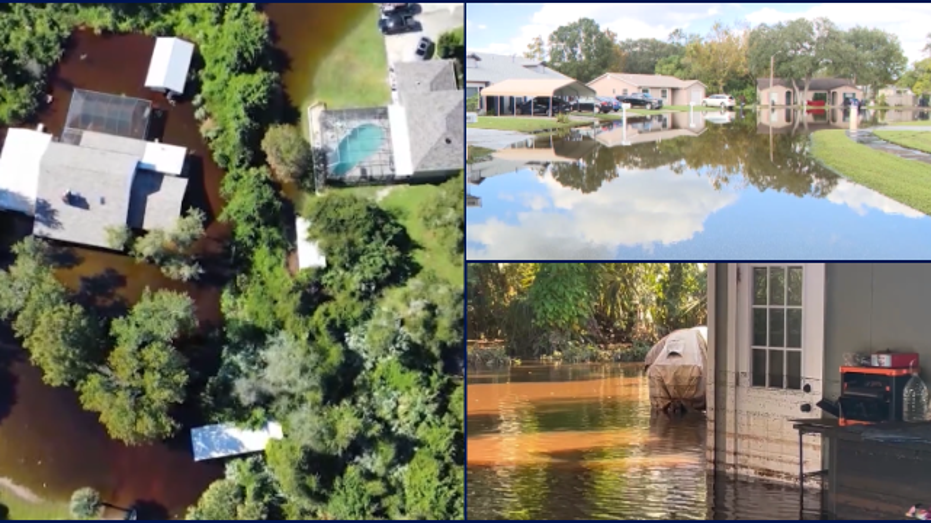
Titusville explores retention ponds to reduce flooding, to be financed through tax liens
City officials in Titusville are exploring a plan to reduce flooding in older neighborhoods by purchasing vacant or distressed properties and converting them into stormwater retention ponds. The proposal comes after severe flooding last October left some residents stranded for days and caused extensive property damage in areas that were developed without modern stormwater infrastructure. Why is the city building new retention ponds? The urgency behind the city's new plan stems from a historic weather event last fall. In October 2025, Titusville was hit with an estimated 15 inches of rain in a single day, causing catastrophic flash flooding across major roadways and residential areas. The deluge prompted Titusville Mayor Andrew Connors to declare a local state of emergency the following morning, mobilizing all available city resources and coordinating with state leadership in Tallahassee for recovery support. Red Cross volunteers and state road crews were brought in to assess the extensive damage, which left several neighborhoods completely underwater. New Retention Ponds: Because it would cost too much taxpayer money to overhaul and move water around these historically vulnerable neighborhoods, Titusville is focused on putting in more retention ponds. To keep costs low, the city is targeting properties that are currently tied up in legal or financial limbo. "Start acquiring property that’s going up for tax lien sales, deed auction, wherever we can acquire these parcels of land in these historically flooded neighborhoods," Mayor Andrew Connors said. "We need to, unfortunately, go back in time and try to create these today." According to the mayor, buying land through these auctions is a way to save taxpayer dollars because the city is looking for deep discounts. "If you’re looking at a tax lien sale, typically the back taxes are only $4,500, and it’s going up for auction, so it’s a very, very frugal way of trying to acquire additional parcels of land," Connors explained. What Residents Are Saying: For the people who lived through the October floods, a permanent fix cannot come soon enough. Some residents were trapped inside their homes for days when their streets went completely underwater. Local resident Jordan Lamattina had never seen the flooding get so severe. She recalled the overwhelming situation, asking, "Why is there so much water?" Lamattina was forced to use a kayak to get around her own neighborhood on Parkland Street for three days. The high waters also left her facing steep financial consequences, costing her over $10,000 to fix her truck after it went underwater. "There’s just nothing we could do, and then the damage started rolling in," Lamattina said. While she welcomes a solution to the flooding, Lamattina wants to make sure the city's new approach doesn't create new problems, keeping a close eye on neighborhood safety and property rights. "Are you going to put a fence around it and make sure the kids are safe?" Lamattina asked. She also noted that she does not want to see neighbors lose their homes if the city decides it needs to buy up land. ADD H2 Titusville is already putting money behind the initiative. So far, the City Council has allocated about $40,000 to purchase these specific plots of land as they become available. The city is also completely redoing its master stormwater management plan. Officials say a modern blueprint is desperately needed, as the city's current stormwater plan has not been updated since the 1960s.